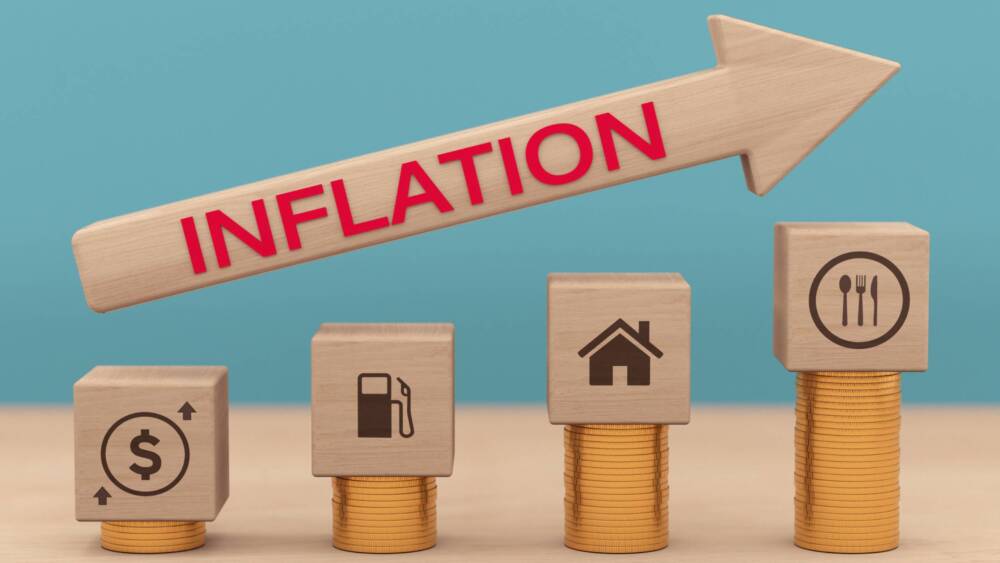
With inflation jumping in May, sitting on your extra cash could mean falling farther behind.
The consumer price index, a key inflation measure, rose 4.2% in May from a year earlier, according to the Bureau of Labor Statistics’ release issued Wednesday. The increase was driven largely by higher energy prices due to the effects of the Iran war, which started Feb. 28. That annual rate is up from 3.8% in April, 3.3% in March and 2.4% in February.
While inflation is a normal part of the economy — and is now far below the 9.1% pandemic-era peak hit in June 2022 as measured by the CPI — the current rate exceeds the Federal Reserve’s goal of 2% annually.
In general, money that sits in an account earning less than the inflation rate is losing purchasing power over time. While cash provides liquidity, where you keep it can make a meaningful difference in how effectively it helps you combat inflation. For money you may need in the coming months or within the next few years, you shouldn’t try to take on too much risk, experts say. “The goal should not be to beat inflation by taking unnecessary risk with cash, but to make sure idle balances are working as efficiently as possible,” said certified financial planner Alex Canellopoulos, director of wealth and a partner at Vista Capital Partners in Portland, Oregon.“The key is to match the cash vehicle to the time horizon” for when the money is needed, Canellopoulos said.
Keep emergency savings accessible
For money set aside as a cushion or emergency savings, many advisors recommend high-yield savings accounts.“The difference between what a major bank pays on a standard savings account and what you can earn at an online bank or credit union is real money, and most people are leaving it on the table,” said CFP Jeff Judge, managing partner at Chesapeake Financial Planners in Forest Hill, Maryland.The current national average savings account annual yield is 0.62%, compared with some high-yield savings accounts paying around 4%, according to Bankrate.
Money market accounts also offer a place to park your cash and earn interest, similar to a high-yield savings account. Plus, they often come with check-writing ability or debit card access. However, they may require a higher minimum balance than savings accounts. There are also money market funds, which you can access through a brokerage account. They have yields similar to money market accounts, but they are mutual funds rather than deposit accounts.
How to get more yield if you can wait
If you don’t need immediate access to your cash, you can also consider certificates of deposit, or CDs, experts say.CDs have a set term that can range from a few months to five or more years. At maturity, your bank returns your principal plus the interest it guarantees. However, this makes CDs less liquid — if you cash out early, you’ll typically pay a penalty representing a portion of the interest.While the average national annual yield for one-year CDs is 1.98%, some banks are offering more than 4%, according to Bankrate.